Navigating FATCA International Payroll Compliance: A Guide for Global Businesses


So, you've got people working for you in different countries, huh? That's awesome for growth, but it also means you've got a whole new set of rules to follow, especially when it comes to taxes and payroll. One big one is FATCA, the Foreign Account Tax Compliance Act. It sounds complicated, and honestly, it can be. This guide is here to break down FATCA international payroll compliance so you can keep things running smoothly and avoid any nasty surprises.
Key Takeaways
- FATCA is a US law that requires foreign financial institutions to report on accounts held by US citizens. For businesses, this means understanding your role in reporting or ensuring your employees handle their own reporting.
- Businesses operating internationally must identify US persons within their workforce and understand their reporting obligations related to those individuals.
- Navigating FATCA international payroll compliance involves dealing with complex cross-border payroll rules, diverse tax laws in different countries, and the risk of misclassifying workers.
- Using services like an Employer of Record (EOR) or partnering with local tax and legal experts can significantly simplify managing FATCA and other international payroll requirements.
- Maintaining accurate records, conducting regular audits, and filing all necessary information on time are vital steps to avoid penalties associated with FATCA non-compliance.
Understanding FATCA International Payroll Compliance
Defining FATCA and Its Global Impact
The Foreign Account Tax Compliance Act (FATCA) is a US law designed to address tax non-compliance by US persons holding assets outside the United States. It mandates that foreign financial institutions (FFIs) report information on accounts held by US taxpayers or face withholding taxes on certain US-sourced payments. This legislation has a significant global reach, compelling financial institutions worldwide to implement new reporting procedures and due diligence processes.
FFIs that do not comply with FATCA requirements risk a 30% withholding tax on specific US payments. This has driven many countries to enter into Intergovernmental Agreements (IGAs) with the US to streamline reporting. These IGAs allow FFIs to report account information to their local tax authorities, who then transmit it to the US Internal Revenue Service (IRS).
For businesses operating internationally, understanding FATCA is not just about financial institutions; it extends to how payroll and employee data intersect with these reporting requirements. Failure to grasp these implications can lead to substantial penalties and operational disruptions.
Key Obligations for Businesses Operating Internationally
When your business operates across borders, FATCA introduces specific obligations that go beyond standard payroll processing. You must identify US persons within your international workforce and determine if their accounts fall under FATCA's reporting umbrella. This requires a proactive approach to data collection and verification.
Businesses need to establish robust processes for identifying reportable accounts. This involves understanding what constitutes a financial account and how to identify account holders who are US persons.
- Account Holder Identification: Determine if an account holder is a US person based on self-certification or other indicia.
- Account Type Assessment: Differentiate between financial and non-financial accounts, and identify those subject to reporting.
- Threshold Monitoring: Track account balances to ensure they meet reporting thresholds.
The Role of Intergovernmental Agreements (IGAs)
Intergovernmental Agreements (IGAs) are critical frameworks that facilitate FATCA compliance for financial institutions in participating countries. These agreements essentially create a bridge between local tax authorities and the IRS, simplifying the reporting process. Instead of reporting directly to the IRS, FFIs report to their domestic tax authority, which then shares the information with the US.
There are different models of IGAs, primarily Model 1 and Model 2. Model 1 IGAs involve reporting to the local tax authority, while Model 2 IGAs involve more direct reporting to the IRS, albeit with some local government assistance. Singapore, for instance, has entered into a Model 1 IGA with the US, integrating FATCA requirements into its domestic Income Tax Act 1947.
Understanding which IGA model applies to your operating countries is vital. It dictates the specific reporting channels and compliance procedures your organization must follow.
IGAs are designed to reduce the compliance burden on FFIs while still achieving the US objective of obtaining information on US taxpayers' foreign accounts. They are a cornerstone of international tax cooperation for FATCA purposes.
Navigating Employer Responsibilities Under FATCA
Identifying US Persons and Reportable Accounts
FATCA's core objective is to track financial assets held by U.S. persons outside the United States. For businesses, this means meticulously identifying individuals who fall under the U.S. tax jurisdiction, regardless of where they are currently located or employed. This includes U.S. citizens, green card holders, and individuals meeting the substantial presence test.
Identifying these individuals is the first step in FATCA compliance. You must then determine if their accounts with your organization qualify as 'reportable accounts.' These are accounts held by U.S. persons or by foreign entities where U.S. persons hold a substantial ownership interest.
Failure to accurately identify U.S. persons and their reportable accounts can lead to significant penalties. It's not just about employees; this also extends to contractors and other individuals associated with your business operations.
Due Diligence Requirements for Financial Institutions
FATCA places specific due diligence obligations on financial institutions, which often include payroll providers and entities managing employee compensation. These requirements are designed to ensure that financial institutions can identify U.S. account holders. This involves establishing robust processes for account opening and ongoing account reviews.
For payroll operations, this translates to verifying the tax residency and citizenship status of your employees. You'll need to collect and document relevant information, such as U.S. Taxpayer Identification Numbers (TINs) where applicable. This process is critical for accurate reporting and avoiding potential withholding taxes.
The complexity arises when dealing with a global workforce. Standardizing your due diligence procedures across different jurisdictions is key to maintaining compliance.
Reporting Account Information to Tax Authorities
Once U.S. persons and their reportable accounts are identified, the next step is reporting this information to the relevant tax authorities. In most cases, this means reporting to the IRS, often through an Intergovernmental Agreement (IGA) framework established with the employee's country of residence. For example, Singapore has an IGA with the US to facilitate this reporting.
The reporting typically involves submitting an annual return detailing account balances, income earned, and other relevant financial data. The specific forms and deadlines will vary depending on the IGA and local regulations.
- Form 8938: This is the primary form for U.S. taxpayers to report specified foreign financial assets. While primarily for individuals, businesses must facilitate the collection of this information from their U.S. employees.
- XML Schema: Many jurisdictions require reporting in a specific XML format, which needs to be updated regularly to align with schema versions.
- Timely Filing: Adhering to the annual filing deadlines, often May 31st, is non-negotiable to avoid penalties.
Accurate and timely reporting is paramount. This includes ensuring that all required Taxpayer Identification Numbers (TINs) are collected and reported correctly. If a U.S. TIN is unavailable for certain pre-existing accounts, specific alternative reporting procedures may apply, as outlined in IRS notices like Notice 2024-78.
Core Challenges in FATCA International Payroll Compliance
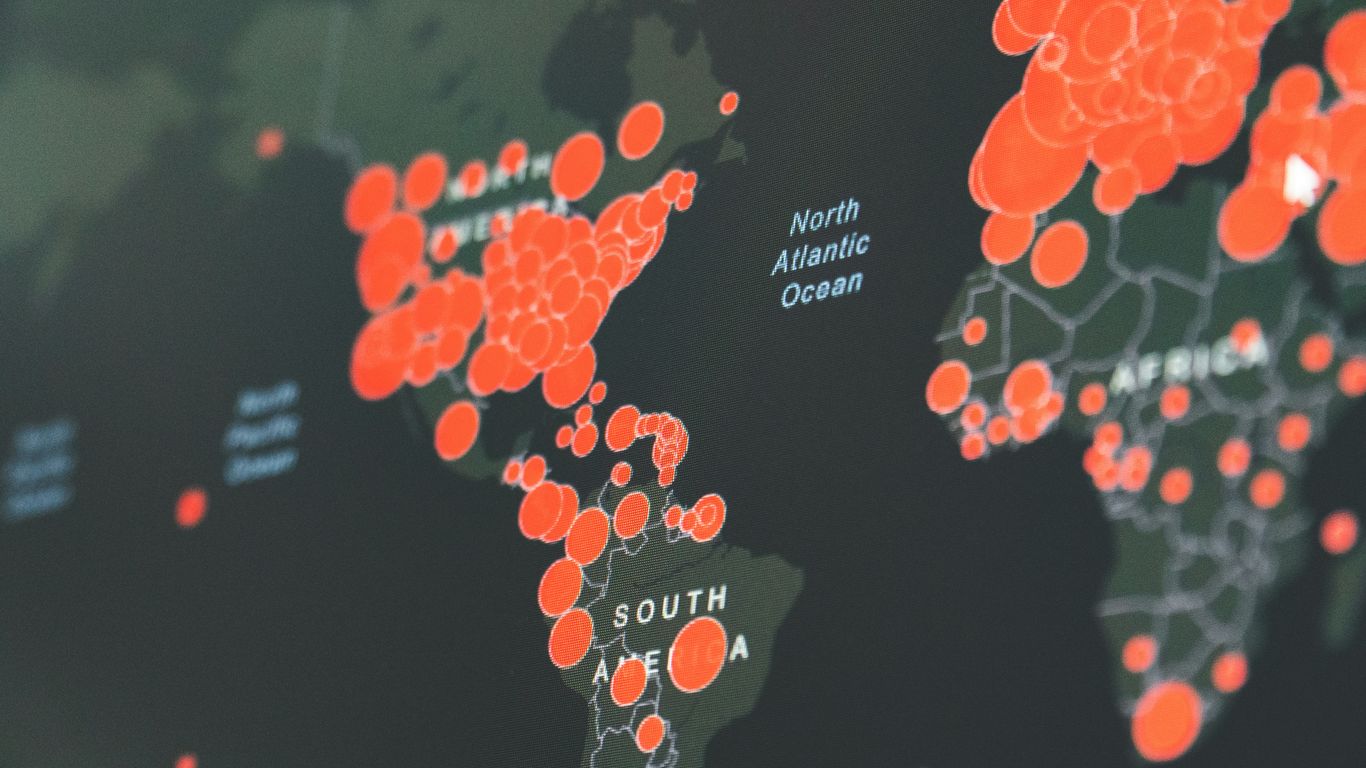
Operating globally means dealing with a tangled web of rules that can make FATCA compliance feel like a maze. It's not just about understanding FATCA itself; it's about how it interacts with a multitude of other international regulations.
Cross-Border Payroll Complexity
Managing payroll across different countries is inherently complicated. Each nation has its own system for income tax withholding, social security contributions, and other mandatory deductions. These systems often operate on different schedules and use varying calculation methods, creating a significant administrative burden. Ensuring accurate and timely remittances to multiple tax authorities worldwide requires robust systems and constant vigilance. This complexity is amplified when dealing with multiple currencies and fluctuating exchange rates, adding another layer of difficulty to the process.
Navigating Diverse Tax Laws and Regulations
Beyond payroll specifics, businesses must contend with a patchwork of international tax laws. Hiring employees in a foreign country can inadvertently create a 'permanent establishment' (PE), subjecting your company to that country's corporate income tax. This is a significant risk that requires careful planning and often, consultation with local experts. Understanding global compliance and reporting is not a one-time task but an ongoing necessity.
Worker Misclassification Risks
One of the most significant pitfalls in international payroll is worker misclassification. Incorrectly labeling an individual as an independent contractor when they should be classified as an employee can lead to severe penalties. These can include back taxes, fines, and liability for unpaid benefits. The criteria for distinguishing between employees and contractors vary significantly by country, making it difficult to maintain consistency and compliance across your global workforce. This is particularly true when dealing with remote workers whose employment arrangements may not fit neatly into traditional boxes.
The sheer volume of differing regulations across jurisdictions means that a one-size-fits-all approach to international payroll is destined to fail. Companies must invest in understanding the nuances of each country where they employ staff, or risk substantial financial and legal repercussions.
- Employee vs. Contractor: Each country has specific tests to determine worker classification. What's acceptable in one nation might be a violation in another.
- Permanent Establishment (PE) Risk: Hiring employees abroad can trigger corporate tax obligations if it creates a taxable presence.
- Reporting Requirements: Different countries mandate distinct reporting for payroll, taxes, and employee benefits, often with strict deadlines.
Failing to address these challenges proactively can lead to substantial financial penalties and damage your company's reputation. It's why many businesses use a 50-point audit framework to systematically review their global payroll operations.
Strategic Approaches to FATCA Compliance

Establishing International Entities and Responsibilities
When operating globally, the structure of your international entities directly impacts FATCA compliance. You need a clear framework defining who is responsible for what, especially concerning identifying and reporting on U.S. persons. This isn't just about setting up a subsidiary; it's about architecting a compliance workflow that fits your operational model. Consider how your entity structure aligns with the reporting obligations under FATCA.
This involves mapping out the flow of information from local payroll and HR departments up to the central compliance team. Without this clarity, you risk gaps in reporting or duplicate efforts, both of which can lead to issues. Think about setting up dedicated roles or committees to oversee FATCA compliance across different regions. This ensures accountability and a consistent approach.
Leveraging Employer of Record (EOR) Services
For businesses looking to simplify their international payroll and FATCA obligations, an Employer of Record (EOR) can be a strategic asset. An EOR acts as the legal employer for your international workforce, handling payroll, taxes, and compliance. This means they take on much of the direct responsibility for identifying U.S. persons within their payroll and reporting that information as required. It’s a way to outsource the complexity, particularly if you have a smaller presence in certain countries.
Using an EOR can significantly reduce your direct compliance burden. They are typically well-versed in local regulations and FATCA requirements, having established processes for due diligence and reporting. However, it's vital to vet your EOR partner thoroughly. You still need to understand their capabilities and ensure their reporting aligns with your overall FATCA obligations.
Partnering with Local Tax and Legal Experts
No matter how robust your internal compliance team, engaging local tax and legal professionals in each country of operation is non-negotiable. These experts provide on-the-ground insights into specific regulatory nuances that might not be apparent from a central vantage point. They can help interpret local interpretations of FATCA and advise on best practices for your specific business context. This partnership is key to avoiding missteps.
Their role extends beyond simple advice; they can assist in setting up compliant payroll processes, conducting due diligence, and preparing accurate filings. Think of them as an extension of your compliance department, providing specialized knowledge. This proactive engagement helps mitigate risks associated with cross-border payroll complexity and diverse tax laws.
Establishing clear lines of responsibility and leveraging external expertise are not just good practices; they are strategic imperatives for effective FATCA compliance in a globalized business environment. Ignoring these foundational elements invites unnecessary risk and operational friction.
Best Practices for FATCA Payroll Management
Implementing robust payroll processes is non-negotiable for FATCA compliance. This means moving beyond basic payroll functions to embed regulatory adherence into your daily operations. Centralized payroll platforms are key to standardizing processes and automating calculations across all your international locations. This approach minimizes manual intervention, a common source of errors and compliance gaps.
Implementing Centralized Payroll Platforms
A unified payroll system provides a single source of truth for all employee data and payroll-related transactions. This visibility is critical for identifying US persons and tracking reportable accounts accurately. It allows for consistent application of FATCA rules, regardless of where your employees are based.
Consider the following benefits:
- Reduced Errors: Automation minimizes human error in calculations and data entry.
- Improved Efficiency: Streamlined processes save time and resources.
- Enhanced Visibility: Real-time data access supports better decision-making and faster issue resolution.
Maintaining Meticulous Documentation and Records
FATCA compliance hinges on your ability to demonstrate adherence to reporting requirements. This necessitates keeping detailed and organized records of all payroll-related activities, employee data, and FATCA self-certifications. Think of your documentation as your defense in case of an audit.
Key records to maintain include:
- Employee FATCA self-certification forms.
- Records of due diligence performed on accounts.
- All submitted tax filings and supporting documentation.
The IRS expects thorough record-keeping. Without it, proving compliance becomes an uphill battle, potentially leading to significant penalties. Ensure your system captures all necessary data points for FATCA reporting.
Conducting Regular Compliance Audits
Proactive audits are your best tool for identifying and rectifying potential compliance issues before they become major problems. These audits should scrutinize your payroll processes, data accuracy, and adherence to reporting deadlines. Engaging external auditors can provide an objective assessment and highlight areas needing improvement.
An audit should cover:
- Accuracy of US person identification.
- Completeness of reporting to tax authorities.
- Adherence to due diligence procedures.
Regularly reviewing your processes, especially with evolving regulations like those from the Inland Revenue Authority of Singapore, is vital. This diligence helps maintain the integrity of your international payroll operations and safeguards against costly non-compliance.
Mitigating Risks and Ensuring Accuracy
Understanding Penalties for Non-Compliance
Ignoring FATCA reporting requirements can lead to substantial financial penalties. The IRS can impose significant fines for failure to file or for filing inaccurate information. These penalties can escalate quickly, especially for repeated offenses or willful neglect.
It's not just about the IRS, either. Other jurisdictions where you operate may have their own penalties for non-compliance with similar information reporting rules. Understanding the full scope of potential financial repercussions is the first step in prioritizing accurate FATCA payroll management.
Proactive Identification of Potential Issues
Regularly reviewing your payroll processes and employee data is key to catching potential FATCA issues before they become problems. This means looking closely at how you identify US persons within your workforce and how you track their foreign financial assets. A systematic approach can prevent surprises during reporting periods.
Consider implementing a data validation process that flags inconsistencies or missing information related to US persons and their reportable accounts. This proactive stance helps maintain data integrity throughout the year, not just at year-end. It's about building a culture of accuracy from the ground up.
Ensuring Timely and Accurate Filings
Meeting FATCA filing deadlines requires meticulous planning and execution. This involves having robust systems in place to gather, verify, and report the necessary account information to the relevant tax authorities. Delays or errors in reporting can trigger penalties and audits, so accuracy is paramount.
Here’s a breakdown of critical steps:
- Data Verification: Double-check all employee data, especially identifying information for US persons and details of their reportable foreign financial accounts.
- System Integration: Ensure your payroll and HR systems can accurately capture and export the data required for FATCA reporting.
- Internal Review: Conduct a thorough internal review of all submitted reports before the filing deadline to catch any discrepancies.
The complexity of international payroll means that a single oversight can have cascading effects. Establishing clear internal controls and responsibilities for FATCA compliance is not optional; it's a necessity for global businesses aiming for sustained operational integrity. This includes defining who is accountable for data accuracy and timely submission.
For businesses seeking to streamline this process and minimize risk, exploring dedicated FATCA reporting solutions can provide the necessary structure and expertise. These services are designed to help determine filing requirements and manage the reporting obligations effectively. Furthermore, a thorough analysis of your current compliance status, examining all foreign financial relationships, is vital for ensuring adherence to regulations. This article discusses FBAR and FATCA compliance, emphasizing the importance of a thorough analysis of current compliance status. This includes examining all foreign financial relationships, historical filing accuracy, and identifying potential areas of concern to ensure adherence to regulations.).
Moving Forward with Confidence
Handling international payroll and FATCA compliance is no small task. It requires constant attention to detail and a solid grasp of rules that change. But by setting up clear processes, working with the right local experts, and using smart tools, you can manage these obligations effectively. Don't let compliance worries slow down your global growth. Take these steps now to build a strong foundation for your international operations and keep your business on the right track.
Frequently Asked Questions
What exactly is FATCA and why does it matter for businesses working in other countries?
FATCA stands for the Foreign Account Tax Compliance Act. It's a U.S. law designed to make sure that U.S. citizens and residents living abroad pay their fair share of taxes. For businesses, especially those with employees in different countries, it means they might need to report information about their U.S. employees' financial accounts held outside the U.S. to the IRS. If they don't, they could face penalties.
What are the main jobs businesses have to do for FATCA when hiring people overseas?
Businesses need to figure out if their employees are U.S. citizens or residents (U.S. persons). If they are, and they have certain types of financial accounts, the business might have to report details about those accounts. This involves checking accounts and sometimes asking employees for information to make sure they're following the rules.
What's an Intergovernmental Agreement (IGA) in FATCA, and how does it help?
An IGA is like a deal between the U.S. and another country. It helps simplify how businesses in that country report FATCA information. Instead of reporting directly to the U.S. IRS, they usually report to their own country's tax authority, which then shares the information with the U.S. It makes the process smoother for everyone involved.
What happens if a business gets it wrong and doesn't follow FATCA rules?
Getting FATCA wrong can be costly. Businesses might have to pay big fines. Also, certain payments made to the business from the U.S. could be taxed at a high rate (like 30%). It's really important to get it right to avoid these serious money problems and legal trouble.
Is it hard to manage payroll and taxes for employees in different countries?
Yes, it can be quite tricky! Every country has its own different rules for taxes, social security, and how payroll works. Trying to keep track of all these different systems, currencies, and deadlines manually is tough and can easily lead to mistakes. That's why many businesses look for help.
How can businesses make FATCA compliance easier, especially with international payroll?
To make things simpler, businesses can use special software that helps manage payroll across different countries. They can also hire experts, like tax advisors or legal professionals in those countries, who know the local rules inside out. Some companies even use services called 'Employer of Record' (EOR) which handle hiring and payroll legally in other countries for them.