Mastering Daily Payroll: Key Considerations for Employers and Employees


Getting your daily payroll right is super important, whether you're the boss or on the clock. It's not just about handing over a paycheck; it's about making sure everything is legal and fair for everyone involved. We'll break down what you need to know to handle daily payroll without any major headaches, from understanding the numbers to keeping things on the up-and-up.
Key Takeaways
- Understand the difference between gross wages (what you earn before anything is taken out) and net pay (what actually lands in your bank account).
- Know your base pay rate and how overtime is calculated to make sure you're paid correctly for all hours worked.
- Stay on top of federal and state rules for paying employees, including when they must be paid and what you can and can't deduct from their checks.
- Keep good records of all payroll information. This helps avoid problems if there's ever a question or an audit.
- Using the right tools and getting proper training can make managing daily payroll much easier and less risky.
Understanding Daily Payroll Fundamentals
Getting the basics of payroll right is non-negotiable for any business. It's not just about cutting checks; it's about accurate financial tracking and legal compliance. Missteps here can lead to significant penalties and damage employee trust.
Defining Gross Wages and Net Pay
Gross wages represent the total amount of money an employee earns before any deductions are taken out. This includes their base salary or hourly rate, plus any overtime, bonuses, or commissions. Think of it as the "top line" of their earnings.
Net pay, often called "take-home pay," is what an employee actually receives after all mandatory and voluntary deductions have been subtracted from their gross wages. These deductions can include taxes, health insurance premiums, retirement contributions, and wage garnishments. The difference between gross and net pay highlights the impact of these various subtractions.
Clarifying Base Pay Rate and Overtime Calculations
The base pay rate is the agreed-upon hourly, daily, or annual wage for an employee, excluding any additional compensation. This rate is the foundation for calculating regular earnings and is critical for meeting minimum wage requirements. For non-exempt employees, this rate is also the basis for calculating overtime.
Overtime pay is typically calculated at 1.5 times the employee's base pay rate for all hours worked over 40 in a workweek, as mandated by the Fair Labor Standards Act (FLSA). Accurate tracking of hours worked is paramount to correctly calculating overtime, preventing wage and hour disputes. Understanding FLSA provisions is key here.
Essential Payroll Terms for Compliance
- Pay Frequency: How often employees are paid (e.g., weekly, bi-weekly, semi-monthly, monthly). State laws often dictate minimum pay frequencies.
- Accrual: The process of accumulating benefits like paid time off (PTO) or sick leave over time. Proper tracking is vital for compliance with leave laws.
- Deductions: Amounts subtracted from gross pay. These can be mandatory (taxes, garnishments) or voluntary (401(k) contributions, insurance premiums).
- Payroll Taxes: Taxes employers must withhold from wages and/or pay on behalf of employees, including federal, state, and local taxes. Managing these correctly is a significant responsibility.
A solid grasp of these core payroll concepts is the bedrock of accurate processing and regulatory adherence. Without this clarity, businesses risk costly errors and compliance failures that can impact both the company's bottom line and its relationship with its workforce. This foundational knowledge is what enables effective payroll management systems to function correctly.
Understanding these terms is not just about administrative accuracy; it's about legal compliance and maintaining employee trust. Each term carries specific regulatory weight and impacts how employees are compensated and how businesses report their financial obligations.
Navigating Daily Payroll Compliance
Adhering to Federal Wage and Hour Laws
The Fair Labor Standards Act (FLSA) sets the national standard for minimum wage, overtime, and recordkeeping. Understanding its nuances is not optional; it's a requirement for avoiding penalties. Employers must track all hours worked by non-exempt employees meticulously. This includes breaks and any time spent on company business, even if not explicitly requested.
Failure to comply can lead to significant back pay awards and fines. It's vital to stay updated on any changes to federal wage laws. This ensures your payroll practices remain current and legally sound.
Meeting State-Specific Payday Regulations
Beyond federal mandates, each state has its own rules regarding payday frequency and methods. Some states dictate how often employees must be paid, such as weekly or bi-weekly. Others specify the timing of final paychecks for terminated employees.
It's imperative to consult the specific regulations for every state where you employ individuals. A single misstep in state-specific payday rules can trigger penalties. Staying informed about these variations is key to maintaining compliance across your workforce. You can find resources detailing state payday laws to help you stay on track.
Managing Permissible Deductions and Withholdings
Payroll deductions fall into two main categories: legally required withholdings and voluntary deductions. Legally required items include federal, state, and local taxes, as well as Social Security and Medicare contributions. These must be calculated and remitted accurately.
Voluntary deductions, such as health insurance premiums or retirement contributions, require explicit employee authorization. Always ensure you have proper documentation for all deductions. The IRS requires specific recordkeeping for all payroll transactions. This includes maintaining detailed records for at least three years, covering employee information, wage rates, and hours worked, as outlined by IRS guidelines.
Proper management of deductions and withholdings protects both the employee's net pay and the employer from compliance issues. It's a critical area that demands precision and adherence to established rules.
Executing Accurate Daily Payroll Processing

Getting payroll right, especially when dealing with daily payments, requires a sharp focus on process and compliance. It's not just about cutting checks; it's about ensuring every employee receives the correct amount, on time, every single time. This section breaks down the critical steps to make your daily payroll operations run like a well-oiled machine.
Implementing Correct Pay Frequency Standards
Establishing a consistent and legally compliant pay frequency is the bedrock of accurate payroll. For daily payroll, this means defining precisely when and how employees are paid, which is often dictated by state law. Some states mandate specific paydays or require payment within a certain number of days after the work period ends.
- Weekly: Employees are paid once every seven days, resulting in 52 pay periods annually.
- Bi-weekly: Employees are paid every two weeks, totaling 26 pay periods per year.
- Semi-monthly: Employees are paid twice a month, typically on fixed dates like the 15th and the last day of the month, resulting in 24 pay periods.
- Monthly: Employees are paid once a month, leading to 12 pay periods.
Choosing the right frequency impacts cash flow and employee budgeting. Adhering strictly to your chosen standard is non-negotiable for compliance.
Ensuring Timely Payment of Wages
Timely payment isn't just good practice; it's a legal requirement. Employers must pay wages on the established payday, and this includes all earned compensation. Delays can lead to significant penalties, including fines and interest, and can severely damage employee morale and trust.
When an employee separates from the company, final pay requirements are often even more stringent. Many states have specific rules about when final wages must be paid, sometimes requiring payment on the last day of employment. Failing to meet these deadlines can result in substantial financial liabilities.
Proper management of pay cycles and adherence to state-specific payday regulations are critical. This includes having robust systems in place to handle off-cycle payments or adjustments without compromising the integrity of the main payroll run. A well-defined process for terminations is also key to avoiding compliance issues.
Handling Wage Garnishments and Other Deductions
Wage garnishments and other deductions require meticulous attention to detail. Garnishments are court-ordered deductions, often for child support, alimony, or unpaid debts. These must be calculated and withheld precisely according to the court order and federal or state limits.
Voluntary deductions, such as for health insurance premiums or retirement contributions, also need careful tracking. Each deduction reduces an employee's gross pay to arrive at their net pay.
- Verify the legal basis for all garnishments.
- Calculate garnishment amounts strictly according to legal guidelines.
- Ensure voluntary deductions are authorized by the employee and correctly applied.
- Remit withheld amounts to the appropriate third parties promptly.
Accurate processing of these items is vital for maintaining compliance and employee confidence. Mismanaging deductions can lead to legal disputes and financial penalties, impacting employee trust and financial stability.
Mastering Daily Payroll Recordkeeping
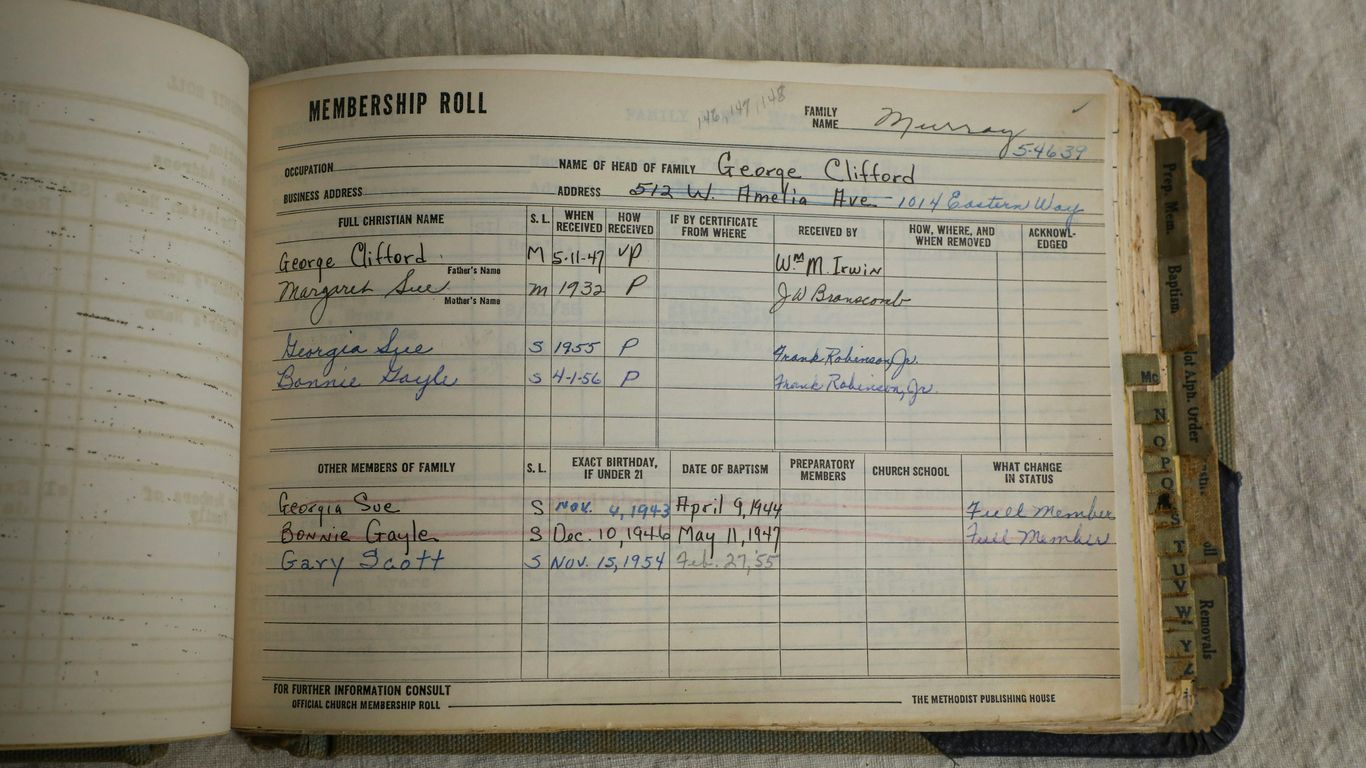
Solid payroll recordkeeping sits at the core of any smooth-running payroll process. Get this wrong, and audits and workplace disputes can spiral out fast. For daily payroll, where every shift and pay adjustment is magnified, precision and organization are absolutely non-negotiable.
Maintaining Comprehensive Payroll Records
Every employer should be building out a recordkeeping system with these in mind:
- Document every wage payment, including gross amounts, deductions, and net pay.
- Track hours worked down to the day if you’re paying daily. If you round, keep the rounding rationale on file.
- Capture adjustments like bonuses, shift premiums, meal waivers, or wage garnishments.
A simple wage record table might look like this:
| Employee Name | Date | Hours Worked | Gross Pay | Deductions | Net Pay |
|---|---|---|---|---|---|
| John Doe | 5/25/2026 | 8 | $160 | $30 | $130 |
| Jane Smith | 5/25/2026 | 9 | $180 | $35 | $145 |
Missed a record? It’s a potential headache in any audit.
Understanding Record Retention Requirements
Don’t guess the retention timelines—be deliberate. Common best practices include:
- Wage and hour records: Keep for at least three years.
- Tax-related payroll documents: Retain for four years following tax payment.
- Benefit and paid leave documentation: Match or exceed what your state requires.
For more info on this, look at how to manage paperwork efficiently to keep in line with employment laws. You don’t want to get tripped up with short timelines or incomplete files.
Even if it feels tedious, robust recordkeeping is a simple insurance policy against claims and audits.
Leveraging Records for Audits and Disputes
Payroll records are your first and best line of defense when the Department of Labor—or a lawyer—comes knocking. For daily payroll programs, that audit scope can be huge, so:
- Organization matters: Identify required records in advance.
- Use clear labeling and backup, including off-site/cloud redundancy.
- Be ready to produce both summary and detail records if there’s ever a wage challenge.
Developing a retention policy that makes audits simple pays for itself the first time you breeze through a records request. Employees will ask for pay stubs; regulators will want everything sorted. Your daily system should be ready to respond fast and with accuracy.
Addressing Complexities in Daily Payroll
Managing Multi-State Payroll Compliance
Handling payroll across state lines brings a set of headaches few employers anticipate early on. Every state has its own rules for income tax, unemployment insurance, withholdings, and even local payroll requirements. If you pay people who live or work in different states—even if just temporarily—you need to get those states’ registrations and filing systems right from day one.
Multi-state payroll is rarely plug-and-play. Fines for compliance missteps stack quickly, with each state levying its own penalties. Common issues include:
- Failing to register for state unemployment tax where an employee is located
- Withholding the wrong state’s income tax, especially with remote or traveling workers
- Overlooking local (city/county) taxes or unique reporting mandates
| Payroll Factor | Common Trouble Area | Risk Impact |
|---|---|---|
| Withholding for Out-of-State Staff | Incorrect income tax | Double taxation, fines |
| Multi-state Unemployment Insurance | Missed registrations | Audits, penalties |
| Varied Wage/Hour Laws | Misapplied overtime rules | Wage claims |
Stay alert: Growing operations across the region can expose you to multiple state audits at once, derailing both cash flow and morale. Partnering with a seasoned payroll provider is often the only way to keep your footing when every state plays by its own rules.
Payroll professionals know: one payroll slip up in Utah, Idaho, or Wyoming can quickly snowball into expensive, time-consuming problems for businesses pushing across state borders.
Accruing and Tracking Paid Time Off
PTO management gets tricky on daily payroll. Accrual rates must be calculated per day worked, not just per pay period. Local labor laws might dictate accrual caps, minimums, or cash-out rules at termination—which complicates things with a workforce on varied schedules or contracts.
There are a few must-haves for reliable PTO accrual on daily runs:
- Daily tracking: Systems must log corresponding hours and calculate accruals exactly.
- Dynamic caps: Know and apply limits for rollover, expirations, or maximum accruals.
- Policy transparency: Make rules visible to employees to settle disputes before they start.
The risk: lack of accurate tracking or misunderstanding state rules means underpayment, which opens the door for wage disputes and DOL complaints. Check out how some industries manage this, especially where job roles shift, in the context of precise tracking of hours worked.
Understanding Employee Classification Impacts
Employee classification mistakes—mixing up exempt, non-exempt, contractor, or project-based categories—get amplified with daily payroll. The risk isn’t just wage miscalculation, but violations of FLSA overtime rules, tax errors, and possible misclassification lawsuits.
Make sure to:
- Distinguish exemptions based on actual job duties and pay structure
- Consider the unique status of gig, part-time, and seasonal workers
- Audit classification decisions periodically as roles or pay structures change
Incorrect classification can lead to hefty back pay awards, unpaid overtime liabilities, and extra tax assessments.
Don’t assume current classifications are fine just because they have worked so far. Rules change, and routine reviews protect the company in the long run.
Strategic Approaches to Daily Payroll Management
Mitigating Risks with Payroll Tax Accuracy
Getting payroll taxes right is non-negotiable. Errors here can lead to significant penalties and interest from tax authorities. Focus on maintaining up-to-date tax tables and understanding the specific tax liabilities for each jurisdiction where you employ staff. Automated systems are your best defense against calculation errors. Regularly reconcile your payroll tax filings with your general ledger to catch discrepancies early. This proactive stance prevents costly surprises down the line.
Utilizing Technology for Payroll Efficiency
Modern payroll platforms can automate many time-consuming tasks. Look for systems that offer real-time data access and robust reporting capabilities. Features like direct deposit, automated tax calculations, and employee self-service portals reduce manual input and potential for human error. Investing in the right technology streamlines processing and frees up your team to focus on more strategic HR functions. Consider solutions that can handle multi-state payroll compliance if your workforce spans across different states.
Investing in Payroll Expertise and Training
Even with advanced technology, human oversight remains critical. Ensure your payroll staff has access to ongoing training to stay current with ever-changing regulations. Understanding complex topics like employee classification and overtime rules is vital. A well-trained team can identify potential issues before they become problems. Consider formal payroll management training to build a strong foundation of knowledge within your department. This investment pays dividends in accuracy and compliance.
Conclusion
Mastering daily payroll isn’t just about crunching numbers or hitting deadlines—it’s about building a system that works for everyone, every day. For employers, getting payroll right means fewer headaches, less risk, and a team that actually trusts you to pay them on time and correctly. For employees, it’s about knowing you’ll get your pay when you expect it, with no surprises or mistakes. The rules can feel overwhelming, especially with different states having their own requirements, but ignoring them isn’t an option. Take the time to set up clear processes, keep good records, and stay updated on the basics. If things get too complicated, don’t be afraid to ask for help or bring in a pro. In the end, a solid payroll process keeps your business running smooth and your people happy. That’s worth the effort, every single day.
Frequently Asked Questions
What's the difference between gross pay and net pay?
Gross pay is the total amount of money you earn before any money is taken out. Think of it as your total earnings before taxes or other deductions. Net pay, on the other hand, is the amount you actually take home after all those deductions are made. It's the money that lands in your bank account.
What does 'pay frequency' mean?
Pay frequency is simply how often you get paid. Companies might pay employees weekly, every two weeks (bi-weekly), twice a month (semi-monthly), or once a month. Knowing your pay frequency helps you plan your own budget because you know when to expect your paycheck.
Why are payroll taxes so important?
Payroll taxes are amounts that employers must take out of your pay and send to the government for things like Social Security and Medicare. They also include taxes the employer pays. It's super important that these are calculated and paid correctly because mistakes can lead to big problems and penalties for the company, and it funds important services for everyone.
What are payroll deductions?
Deductions are any amounts taken out of your gross pay. Some are required by law, like taxes or court-ordered wage garnishments. Others are voluntary, like contributions to a retirement plan (like a 401k) or health insurance premiums. All deductions reduce your gross pay to get to your net pay.
Why is keeping good payroll records important?
Good recordkeeping means having accurate and organized information about every employee's pay, hours worked, taxes, and deductions. This is crucial because it proves the company is following the law. If there's ever a question about pay or an audit, these records are the proof that everything was handled correctly.
What happens if my employer pays me late?
Paying employees on time is a legal requirement. If your employer pays you late or misses a payment, they could face penalties, fines, and legal action. It can also really hurt morale and make employees feel undervalued. Most states have specific laws about when final paychecks are due when an employee leaves a job.