How to Protect Your Freelance Income from Currency Devaluation


Working as a freelancer often means dealing with money that crosses borders. It’s not just about finishing the job; it’s about getting paid what you’re worth. When your clients pay you in a different currency, like US dollars, and you live somewhere else, things can get complicated. Exchange rates change, fees pop up, and suddenly, the amount you thought you were earning isn't quite what lands in your bank account. This guide is here to help you figure out how to protect your freelance income from these currency ups and downs.
Key Takeaways
- Always know how currency changes can affect your earnings. Keep an eye on exchange rates and fees.
- Talk to your clients about your rates. Negotiate terms that protect your income, especially if inflation is high.
- Look into different ways to get paid. Some apps and services offer better rates or more options than others.
- Consider using newer financial tools like stablecoins. They can offer a way to hold value without being hit by local currency drops.
- Get smart about your money habits. Set aside money for taxes, budget carefully, and maybe talk to a financial advisor.
Secure Your Freelance Income with Strategic Currency Management
When you're working with international clients, you're not just managing project timelines; you're also managing money that crosses borders. A lot of freelancers don't fully grasp how currency conversion can chip away at their earnings. You know that feeling when you get paid $500 USD, but after all the fees and the bank's exchange rate, you end up with way less in your local currency? That's why understanding currency dynamics is non-negotiable.
Understand the Impact of Currency Fluctuations
Currency values shift constantly. For freelancers paid in a foreign currency, like USD, this means your income's real value can change significantly between when you invoice and when you actually receive and convert the funds. If your local currency is devaluing against the USD, your earnings might be worth more. Conversely, if your local currency strengthens, your income in local terms shrinks. This isn't just theoretical; it directly impacts your purchasing power and financial planning. For instance, if the Indian Rupee is at ₹91 against the USD, freelancers earning in dollars see a substantial boost in their annual income, potentially up to ₹4.8 Lakhs. This presents a clear opportunity to strategically adjust fees and optimize conversion processes to maximize these gains [116a].
Proactive Rate Negotiation for Value Preservation
Don't wait for devaluation to hit your bottom line. You need to build currency considerations directly into your pricing. This means regularly reviewing your rates, especially if you operate in or are paid in currencies prone to volatility. Discussing inflation and currency risk with clients upfront is key. Consider adding clauses to your contracts that allow for periodic rate adjustments based on currency performance or inflation indices. This proactive approach ensures that the value of your services remains consistent, regardless of external economic shifts. It's about protecting your earning potential before it's eroded.
Leverage Platforms with Flexible Currency Options
Your payment processor matters. Not all platforms are created equal when it comes to currency handling. Look for services that offer flexibility in how you receive and hold funds. Some platforms allow you to hold USD balances, giving you control over when you convert to your local currency, letting you pick the best exchange rates. Others might offer withdrawals in different currencies or even stablecoins. Researching payment methods across over 50 countries reveals diverse transaction methods and associated costs, highlighting the importance of choosing wisely [5212]. Opting for platforms that provide transparent, competitive real-time exchange rates and minimize conversion fees is a tactical move to safeguard your income.
Mastering Exchange Rates to Protect Your Freelance Income
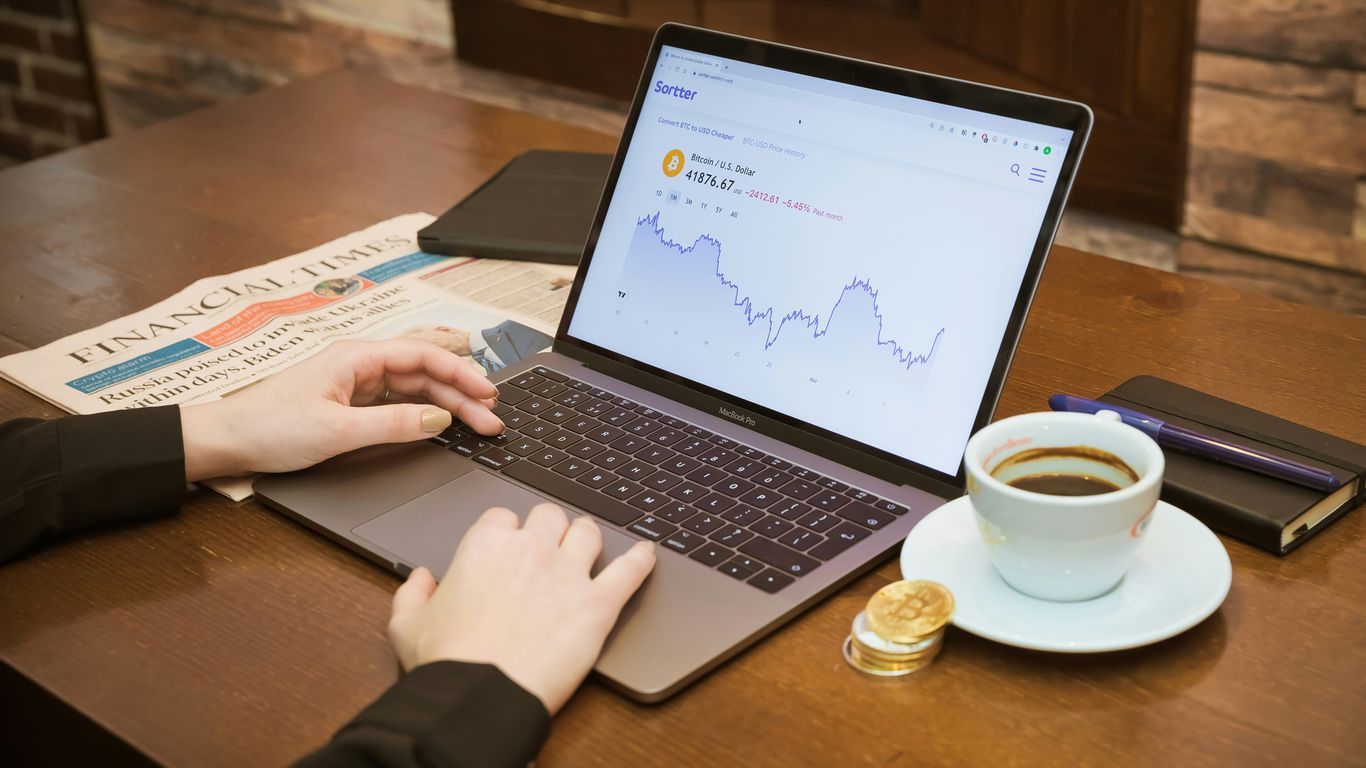
When you're working with clients across borders, the money you earn doesn't just appear in your local bank account. It travels, and along that journey, exchange rates and conversion fees can chip away at your income. Understanding and actively managing these rates is not optional; it's a core business practice for preserving your earnings.
Compare Exchange Rates Across Multiple Services
Don't settle for the first conversion rate you see. Banks and even some popular payment platforms often build in a margin that benefits them, not you. Take the time to shop around. Services like Wise, Remitly, and others are designed for international transfers and generally offer more competitive rates than traditional banks. It's about finding the provider that gives you the most local currency for your USD. A quick check across a few platforms before each significant transfer can make a noticeable difference over time.
Factor In All Conversion Fees
Exchange rates are only part of the equation. Every service has fees, and they can be hidden or complex. Look beyond the advertised rate and scrutinize the total cost. Some platforms might offer a slightly better rate but charge a higher fixed fee, which can be detrimental for smaller transactions. Conversely, a lower fee might come with a less favorable exchange rate. You need to calculate the final amount you'll receive after all deductions. This is where comparing total outflows becomes critical.
- Upfront Transfer Fees: A flat fee or a percentage of the transfer amount.
- Hidden Conversion Margins: The difference between the mid-market rate and the rate the service offers.
- Withdrawal Fees: Some services charge a fee to move money from their platform to your local bank.
- Recipient Fees: Less common, but sometimes the receiving bank or service might charge a fee.
Utilize Real-Time Conversion Tools
Volatility is the enemy of predictable income. Relying on static exchange rates can lead to unexpected losses if the market shifts between when you agree on a price and when you get paid. Tools that provide real-time conversion rates are invaluable. Platforms like Transfi, XE.com, or OANDA offer up-to-the-minute data. Some payment processors also integrate these real-time feeds, allowing you to see the exact amount you'll receive before confirming a transaction. Setting up rate alerts can also be a smart move, notifying you when a favorable conversion window opens.
In economies experiencing rapid inflation, the value of your earnings can erode quickly between invoicing and receiving payment. Proactive monitoring of exchange rates and utilizing services that offer immediate, competitive conversions are key to preventing this loss of purchasing power. Don't let your hard-earned money shrink due to currency fluctuations.
Consider using services that allow you to hold funds in USD or a stablecoin until you're ready to convert, giving you more control over the timing of your currency exchange. This tactical approach helps mitigate the risk associated with immediate conversion at potentially unfavorable rates. For more on managing cash flow internationally, explore practical strategies for freelancers.
Embrace Modern Financial Tools for Income Stability
In today's economic climate, relying solely on traditional banking methods for your freelance income is a risky proposition. The rapid shifts in currency values mean your hard-earned money can lose significant purchasing power before you even get a chance to spend it. It's time to get tactical and integrate modern financial tools that offer stability and control.
Explore Fintech Platforms for Better Rates
Forget the banks. Fintech companies are built for speed and efficiency, often providing superior exchange rates and lower fees for international transactions. These platforms are designed to give you more control over when and how you convert your earnings. Look for services that offer real-time rate tracking and alerts, allowing you to execute conversions when the market is most favorable. This proactive approach is key to preserving the value of your income.
Understand and Utilize Stablecoins
Stablecoins are cryptocurrencies pegged to stable assets, most commonly the US dollar. For freelancers, this means you can receive payments in a stable asset, effectively bypassing the volatility of local currencies. Think of it as holding your earnings in a digital dollar. This is particularly effective when dealing with clients in different countries or when your local currency is experiencing high inflation. Setting up a digital wallet to receive these payments is straightforward, but always clarify the exact fiat equivalent you expect to receive to avoid confusion.
- Choose the right stablecoin: Research options like USDC or DAI, considering their backing and the blockchain network they operate on.
- Secure your wallet: Use reputable digital wallets and practice good security hygiene.
- Confirm payment terms: Always agree on the fiat value you expect to receive, not just the stablecoin amount.
- Stay informed on regulations: Be aware of any local rules regarding cryptocurrency transactions.
The speed and cost-effectiveness of stablecoin transactions far outstrip traditional bank transfers, offering immediate access to funds and significantly reducing fees. This accessibility is a game-changer, especially for freelancers in regions with less developed banking infrastructure.
Evaluate Mobile Wallets for Local Access
Once you've received funds, whether in fiat or stablecoins, you need efficient ways to access them locally. Mobile wallets are becoming indispensable. Many allow you to hold multiple currencies, convert between them at competitive rates, and even withdraw cash from local ATMs or send money to others. Some platforms are even exploring options for direct withdrawal into local bank accounts or via mobile money services, streamlining the entire process from client payment to your pocket. This integration is vital for maintaining liquidity and managing daily expenses without losing value to conversion fees or unfavorable exchange rates. You can explore services that offer USD holdings for global freelancers.
Implement Tactical Payment Strategies
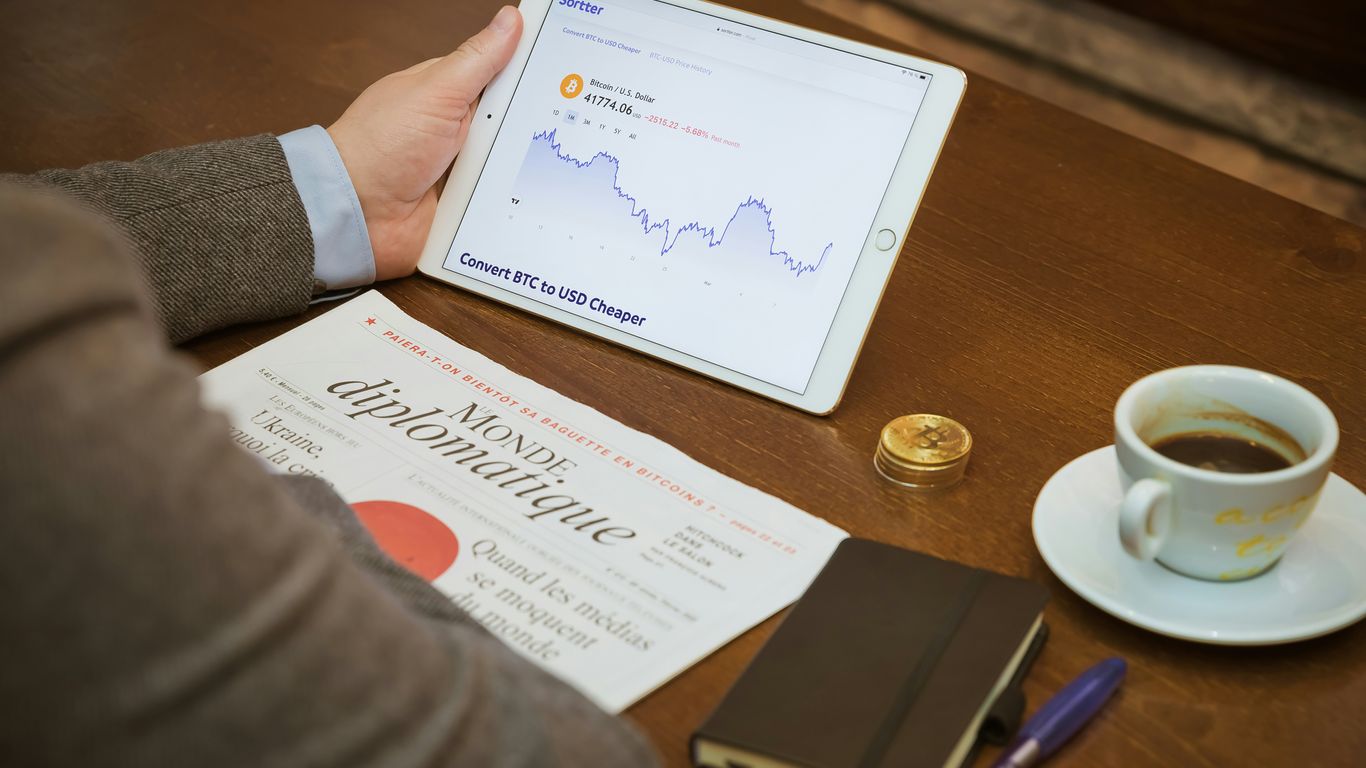
When currency values shift, your payment approach needs to be sharp and adaptable. It's not just about getting paid; it's about getting paid in a way that preserves the real value of your earnings. We need to move beyond passive acceptance and actively manage how funds flow.
Invoice Clients More Frequently
Don't let your hard-earned money sit in limbo, losing purchasing power. By shortening your invoicing cycles, you reduce the exposure time of your income to currency fluctuations. If you're used to monthly billing, consider bi-weekly or even weekly invoices for projects with longer durations. This strategy directly combats the erosion of value that happens when a currency depreciates over time. It means you convert your earnings to a more stable currency or your local currency when the rate is more favorable, more often.
Negotiate Payment Terms with Inflation Clauses
Standard contracts often fail to account for rapid economic changes. It's time to build in protections. Incorporate clauses that allow for automatic rate adjustments based on a pre-defined inflation index or a specific currency's devaluation against a benchmark like the USD. This isn't about being difficult; it's about professional risk management. Clearly communicate to clients that this protects the long-term viability of your services, ensuring you can continue to deliver high-quality work without your income being decimated by economic instability. You can find more on global contractor payments to see how others are structuring these agreements.
Diversify Your Payment Methods
Relying on a single payment channel is a vulnerability. Explore multiple avenues for receiving funds. This could mean offering clients options like direct bank transfers, reputable payment platforms, or even exploring newer methods like stablecoins. Each method has its own fee structure and exchange rate implications. By having several options, you can choose the most advantageous one based on the current market conditions and client preferences. This flexibility is key to maximizing your net income and mitigating risks associated with any single provider's policies or exchange rate performance. For instance, some platforms allow you to hold funds in USD, letting you wait for a better conversion rate, which can be a significant advantage when dealing with currencies that are rapidly losing value. This approach can lead to substantial gains, potentially increasing annual earnings significantly, as seen by some freelancers earning in dollars despite market shifts.
The goal is to create a payment ecosystem that is resilient to external economic shocks. This requires proactive contract negotiation and a willingness to adapt your invoicing and payment collection processes.
Leverage Stablecoins to Shield Earnings
When your local currency is losing ground, stablecoins offer a direct line of defense for your freelance income. These digital assets are pegged to a stable asset, usually a fiat currency like the US dollar, meaning they don't swing wildly in value like Bitcoin or Ether. This stability is key for freelancers who need predictable income to cover expenses and plan for the future.
Understand Stablecoin Mechanics and Benefits
Think of stablecoins as a digital dollar, but with the speed and efficiency of crypto. Unlike traditional bank transfers that can take days and rack up fees, stablecoin transactions are typically processed in minutes with significantly lower costs. This means more of your hard-earned money stays in your pocket. For instance, receiving payments in stablecoins can bypass the delays and charges associated with international wire transfers, giving you immediate access to your funds. This is a game-changer, especially if you're working with clients across different continents. Many platforms are now integrating stablecoin payments, allowing for instant payouts.
Set Up Compatible Digital Wallets
To get started, you'll need a digital wallet that supports the stablecoins you plan to use. There are many options out there, from mobile apps to desktop software. The important thing is to choose one that's reputable and secure. You and your clients need to be on the same page regarding wallet compatibility to avoid any hiccups during transactions. It's not overly complicated; most wallets have user-friendly interfaces that guide you through the process.
Clarify Payment Terms in Fiat Equivalents
While stablecoins are stable relative to their peg, the exchange rate between your local currency and the stablecoin's pegged currency (like USD) can still fluctuate. To avoid confusion and ensure you're getting the value you expect, always agree on payment amounts in fiat equivalents. For example, instead of agreeing to pay 'X' stablecoins, agree to pay 'the USD equivalent of X stablecoins at the time of payment'. This simple clarification prevents disputes and makes budgeting much easier. It's a tactical move to lock in your value.
Navigate Regulatory Compliance for Stablecoins
This is where things can get a bit tricky, as the regulatory landscape for cryptocurrencies, including stablecoins, is still evolving and varies by country. It's imperative to stay informed about the specific rules in your jurisdiction regarding receiving, holding, and converting stablecoins. Some countries might have specific reporting requirements or tax implications you need to be aware of. Ignoring these can lead to unexpected issues down the line. Staying ahead of these regulations is just as important as managing your exchange rates. Freelancers are increasingly opting for crypto for this very reason, but due diligence is key.
Mitigate Risks with Smart Financial Habits
Beyond the direct mechanics of currency conversion, a robust financial framework is your best defense against income volatility. This isn't about complex trading strategies; it's about disciplined, tactical execution of sound financial practices.
Maintain a Separate Tax Reserve
Treating taxes as an afterthought is a fast track to financial distress, especially when income streams fluctuate. Proactively set aside a percentage of every payment received into a dedicated account. This isn't just good practice; it's a non-negotiable for avoiding penalties and ensuring you can meet your obligations without depleting your operating capital.
- Establish a fixed percentage: Based on your jurisdiction and income bracket, determine a realistic tax reserve percentage (e.g., 20-30%).
- Automate transfers: Set up automatic transfers from your primary income account to your tax reserve account immediately upon receiving client payments.
- Regularly review: Periodically assess if your reserve percentage accurately reflects your current tax liability and adjust as needed.
Automate Routine Financial Tasks
Manual processes are prone to error and consume valuable time. Identify repetitive financial tasks and implement automation wherever possible. This includes invoicing, payment reminders, and even expense tracking. Freeing up mental bandwidth allows for more strategic decision-making.
Develop a Comprehensive Budget
Your budget needs to be a living document, especially in an environment of currency devaluation. It must account for the rising cost of goods and services in your local currency. Regularly compare your projected income against actual inflows and adjust spending priorities accordingly. This requires a clear view of your fixed versus variable expenses.
| Expense Category | Monthly Allocation (USD Equivalent) | Actual Spend (USD Equivalent) | Variance |
|---|---|---|---|
| Housing | $1,200 | $1,250 | +$50 |
| Utilities | $200 | $220 | +$20 |
| Food | $600 | $650 | +$50 |
| Software Subscriptions | $150 | $150 | $0 |
| Professional Development | $100 | $80 | -$20 |
A dynamic budget isn't just about tracking where money goes; it's about anticipating where it needs to go to maintain your lifestyle and business operations amidst economic shifts. Be prepared to reallocate funds aggressively when currency values change significantly.
Seek Professional Financial Guidance
Don't hesitate to consult with a financial advisor who specializes in international freelance income or small business finances. They can provide tailored strategies for tax planning, investment, and risk management that go beyond generic advice. Their insights can be invaluable in protecting your long-term financial health. Consider exploring resources for financial planning for freelancers to get a foundational understanding of what to discuss with a professional.
Take Control of Your Earnings
Look, protecting your freelance income from currency swings isn't just a good idea, it's a necessity. We've talked about a few ways to do this, from smart payment platforms to keeping an eye on exchange rates. Don't just let your money lose value sitting around. Pick a strategy that works for you, set it up, and stick with it. The market changes, but being prepared means you're ready for anything. Start making those moves now to keep more of what you earn.
Frequently Asked Questions
Why is it important for freelancers to worry about currency value changes?
Imagine you do a job and get paid $100. If the money in your country loses value quickly, that $100 might buy a lot less stuff by the time you get to spend it. Freelancers working with clients from other countries need to watch out for this so their hard-earned money doesn't lose its buying power.
What are stablecoins, and how can they help my freelance money?
Stablecoins are like digital dollars. They're cryptocurrencies, but their value is kept steady, usually at $1 per coin. This means if you get paid in a stablecoin, your money won't suddenly be worth less because of quick changes in currency value. It's a safer way to hold onto your earnings until you need to use them.
How can I make sure I'm getting paid a fair amount when dealing with different currencies?
Always check the exchange rates offered by different services. Banks and payment apps might give you a less favorable rate and charge hidden fees. Look for platforms that show you the real-time exchange rate and compare a few options before you decide. It's also smart to ask for your payment in a more stable currency if possible.
What does 'currency devaluation' mean for my freelance income?
Currency devaluation means your local money is becoming worth less compared to other currencies, like the US dollar. If you get paid in dollars but live somewhere where the local money is losing value, the dollars you receive will buy less and less of your local currency over time.
Should I ask my clients to pay me more often?
Yes, invoicing more frequently can be a good idea, especially if your local currency is losing value fast. This way, you get your money sooner and can convert it before it loses too much worth. It helps you get your earnings into your hands quicker.
What are some simple tools or tricks to protect my freelance earnings?
You can use special apps and websites that help you compare exchange rates instantly. Some freelancers also use stablecoins, which are like digital dollars, to hold their earnings safely. It's also smart to have a budget and maybe talk to a financial expert to get advice tailored to your situation.